Toy & Mini Australian Shepherds
Smart, loyal, and family-oriented — these compact Aussies bring all the brilliance of the Standard breed in a more manageable size. Here's everything you need to know before bringing one home.
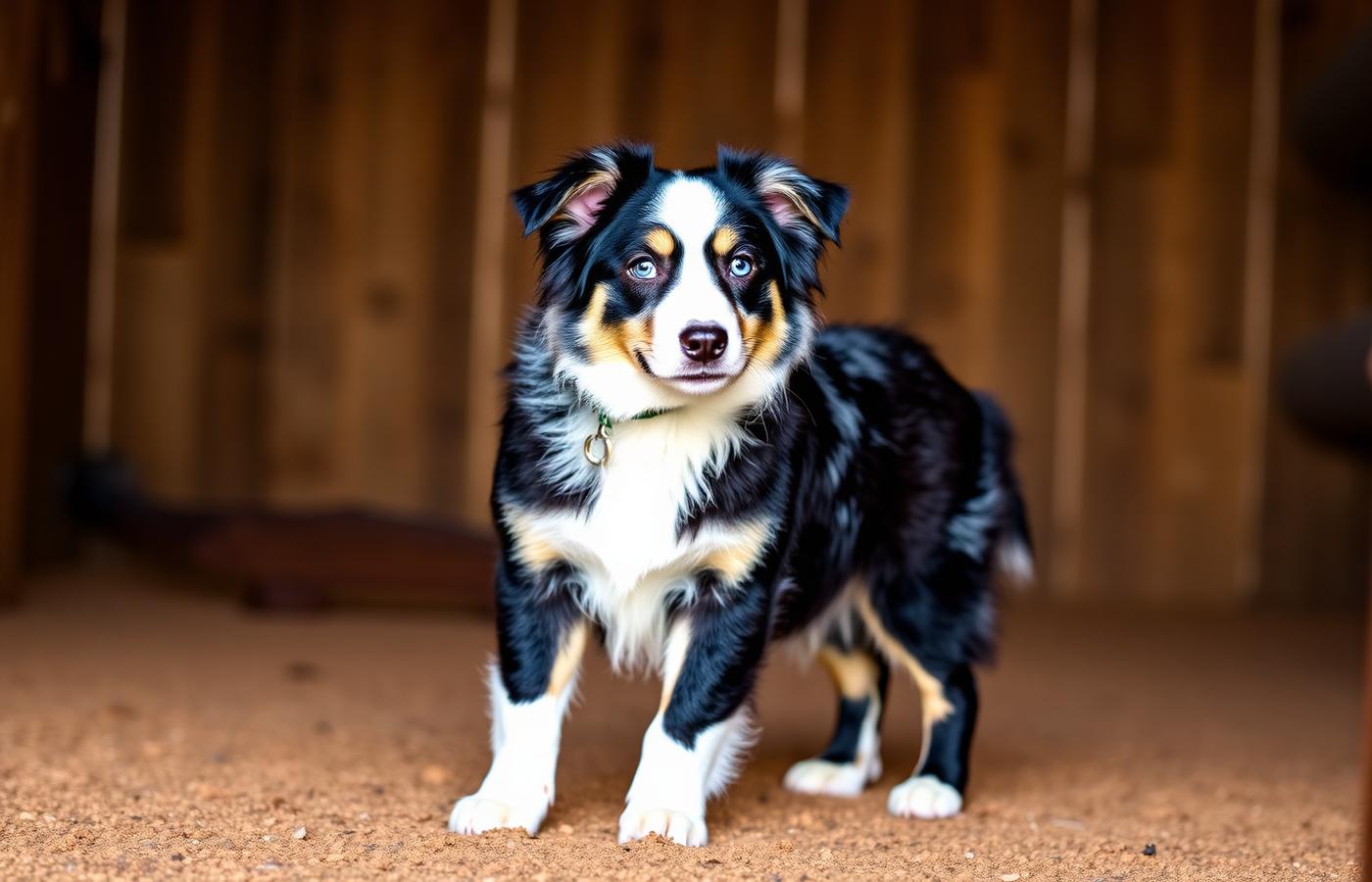
Personality, energy, and care needs
A quick look at what makes Mini and Toy Aussies special — and what they need to thrive.
Highly Intelligent
Quick to learn — ranked among the smartest small breeds. They thrive on training and mental stimulation.
Moderately Active
30–45 minutes of daily exercise plus play. Adaptable to apartments and ranches alike.
Moderate Grooming
Brush 2–3x per week. Heavier shedding seasonally in spring and fall.
Velcro Companions
Bonded, loyal, and want to be wherever you are. Not the breed to leave alone all day.
Family-Oriented
Wonderful with children when socialized early. Naturally protective and gentle.
Generally Healthy
When sourced from health-tested parents, lifespan is 13–16 years.
Toy vs Mini vs Standard
Understanding the size range will help you choose the right Aussie for your home.
| Variety | Height | Weight |
|---|---|---|
| Toy | 10–14 in | 12–17 lbs |
| Mini | 14–18 in | 17–30 lbs |
| Standard | 18–23 in | 40–65 lbs |
A Brief History
Despite the name, Australian Shepherds were developed in the western United States in the 19th century to herd livestock for ranchers. The Toy and Mini varieties were bred down from Standard Aussies in the 1960s by ranchers and equestrians who wanted a smaller, equally talented companion. Today they are beloved family dogs, agility champions, and therapy dogs across the country.
The Ideal Home
Mini and Toy Aussies thrive with families who will include them in daily life. They want to learn, play, and be by your side. They do well with children, other dogs, and even cats when properly socialized. They do not do well being left alone for long stretches — they bond deeply and can develop separation anxiety without proper enrichment.
Health Considerations
Like all breeds, they have a few genetic concerns to be aware of: hip dysplasia, certain eye conditions (PRA, CEA), MDR1 drug sensitivity, and deafness in double-merle breedings. This is why working with a breeder who completes full health testing on every parent is essential — and why we never breed two merle dogs together.
Common questions about the breed
Sound like the right fit?
Browse our currently available puppies or get on the waitlist for upcoming litters.